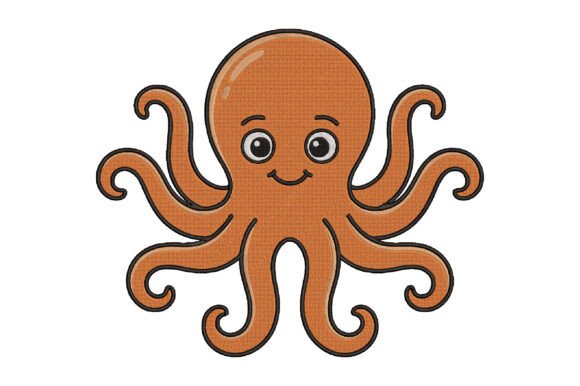
Cute Octopus Embroidery Design Review for Business
As an experienced embroidery designer who has spent years refining digital files for commercial use, I know that selecting the right embroidery file is about more than just aesthetics. It is a strategic decision that impacts brand identity, production costs, and customer perception. When I first encountered the Cute Octopus Embroidery Design, my immediate reaction was one of professional curiosity. The description promises "ocean-inspired cuteness" with "big expressive eyes and playful tentacles," which suggests a design that leans heavily into the friendly, approachable side of branding.
This review evaluates how this specific design performs when applied to real-world small business scenarios, from branded patches to staff uniforms. We will look at its potential as a small business merch asset and determine if it holds up under the scrutiny of a commercial embroidery shop.
First Impressions: Visual Personality and Brand Fit
The moment you open the digital embroidery file, the style speaks volumes about where it belongs in your product line. A cartoon-style octopus with big eyes naturally conveys playfulness and warmth. For brands like bakeries, pet stores, or creative studios, this machine embroidery design offers a distinct advantage over rigid, corporate logos. It feels handmade yet polished, suggesting a business that cares about details and customer engagement.
In the context of the Summer category, this design is particularly potent. It evokes feelings of relaxation, beach days, and fun, making it an ideal choice for seasonal collections or summer pop-up shops. However, the key to success lies in execution. Does the design feel premium enough to justify a price point? The answer depends on how well the stitch density translates to the final fabric. If the tentacles are too thin or the eyes lack definition, the charm can quickly turn into a cheap-looking mess. But if the lines are bold and the spacing is intentional, the Cute Octopus Embroidery Design becomes a powerful tool for building a recognizable visual language.
Real-World Application: From Patches to Packaging
Let's imagine a scenario where a local café or boutique wants to launch a line of branded goods. How does this design fit into their ecosystem?
- Embroidered Patches: This is perhaps the strongest use case. The playful nature of the octopus makes it perfect for iron-on or sew-on patches. Small businesses often use these on denim jackets, tote bags, or even as a unique alternative to standard name tags. The "playful tentacles" offer great opportunities for texture and dimension, provided the stitch density is optimized to prevent puckering.
- Staff Uniforms and Aprons: For a bakery or florist, a subtle chest logo or a pocket accent can add personality without overwhelming the uniform. Placing the Cute Octopus Embroidery Design on the left chest of a white apron creates a welcoming vibe that customers remember. It signals that the staff is friendly and the products are crafted with care.
- Tote Bag Designs: Canvas totes are a staple of custom apparel marketing. A centered octopus design works beautifully here, turning a simple bag into a walking advertisement. The high visibility of the design ensures that every time a customer walks down the street, they are reminded of your brand.
- Cap Embroidery: Curved surfaces like caps present a challenge. The round shape of the octopus head could work well on a flat cap front, but the tentacles must be simplified to avoid distortion. If executed correctly, it adds a whimsical touch that stands out against competitors' plain logos.
- Product Packaging Accents: Beyond clothing, this design can be used on product labels or hang-tags attached to merchandise. It reinforces the "handmade product" narrative, adding a layer of tactile quality that paper prints simply cannot achieve.
Strategic Considerations and Limitations
While the Cute Octopus Embroidery Design has immense potential, a professional designer knows that no single file is perfect for every application. There are specific areas where caution is required to maintain the integrity of the finished product.
Small Patch Sizes: If you plan to produce tiny patches (under 2 inches), the "big expressive eyes" might lose detail. Fine lines tend to merge together on small scales, resulting in a muddy appearance. In such cases, it is better to simplify the design or place it on larger items like aprons or large tote bags.
Dark Uniforms and Fabric Texture: The design relies on contrast to show off the "cartoon-style" features. On dark fabrics, you will need a heavy backing stabilizer and potentially a light-colored thread base, which increases the cost and bulk. Furthermore, textured fabrics like heavy canvas or fleece can hide the intricate details of the tentacles. Always test on the actual material before committing to a large run.
High Stitch Density: Cartoon designs often require dense stitching to fill shapes smoothly. If the density is too high, the fabric may pucker, especially on lightweight materials. This is critical for commercial embroidery projects where consistency is key. If the design requires excessive layers of thread, it may not be suitable for frequent washing, leading to premature wear on the garment.
Impact on Brand Identity and Customer Trust
Choosing the right design assets is a direct reflection of your brand's values. The Cute Octopus Embroidery Design communicates approachability and creativity. When customers see a high-quality embroidered patch or a perfectly stitched logo on a tote bag, it builds trust. It tells them that you value quality and attention to detail.
Conversely, a poorly executed design can damage brand identity. If the eyes are misaligned or the colors clash, it looks unprofessional. Consistency is vital; using this playful design alongside serious, corporate imagery can confuse your audience. Ensure that the tone of the octopus matches your overall marketing strategy. For a handmade brand or a craft business, this design aligns perfectly with the "authentic" and "personal" narrative that drives sales.
Practical Designer Notes for Production
Before you upload this file to your machine for mass production, follow these essential steps to ensure success:
- Test in Black and White: Convert the design to grayscale to check the balance of stitches. If the image looks muddy in black and white, the color contrast in the final version might also be problematic.
- Check Hoop Size: Verify the recommended hoop size in the file settings. A design meant for a 4x4 hoop will fail on a 6x10 frame without resizing, which alters the stitch count and density.
- Review Thread Colors: The description mentions "expressive eyes." Ensure you have the correct thread colors to make them pop. High-contrast thread choices are crucial for capturing the character's personality.
- Inspect Spacing and Outlines: Look closely at the outlines of the tentacles. Are they too close together? Will they blend into a solid blob? Adjusting the spacing can save hours of rework.
- Use Proper Stabilizer: For curved surfaces like caps or soft items like tote bags, a tear-away or cut-away stabilizer is non-negotiable. This prevents the fabric from distorting during the stitching process.
- Create a Printable Mockup: Before running a full batch, create a printable mockup to visualize the design on your specific product. This helps clients approve the placement and scale before any physical work begins.
- Confirm Commercial Licensing: Finally, double-check your license. Ensure you have the rights to use the Cute Octopus Embroidery Design for small business merch and resale. Using a personal license for commercial gain can lead to legal issues.
In conclusion, the Cute Octopus Embroidery Design is a versatile and charming asset for any business looking to add a touch of ocean-inspired fun to their inventory. Whether you are creating custom apparel, branded patches, or unique gifts, this design offers a strong foundation for building a memorable brand presence. By paying attention to technical details like stabilizer selection, thread contrast, and fabric texture, you can transform a simple digital file into a high-value product that customers love.