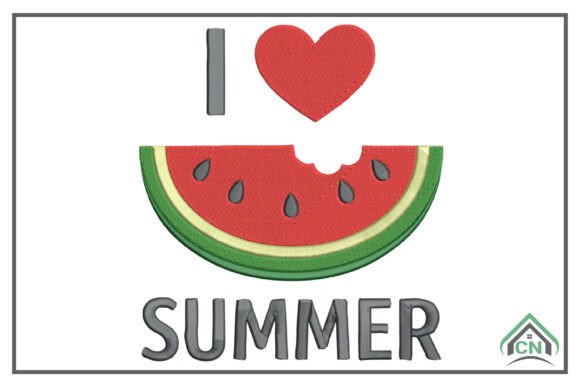
Summer Watermelon Embroidery File Review
As a professional embroidery designer who spends hours tweaking digitization settings and testing thread tensions, I approach every new download with a mix of excitement and skepticism. When I first landed on the Summer Watermelon Embroidery File on Creative Fabrica, I wasn't just looking for another cute seasonal graphic; I needed something that could hold up under the pressure of real-world commercial production. My goal was to find a design that would translate beautifully onto various substrates, from soft baby blankets to structured tote bags, without losing its charm in the stitching process.
This review is an honest evaluation of how this specific design performs when moved from the digital screen to the hoop. Whether you are an Etsy seller looking to boost your summer inventory or a craft fair vendor needing reliable assets, understanding the nuances of a file before you stitch is crucial. Let's dive into what makes the Summer Watermelon Embroidery Design work for handmade products and where you might need to exercise extra caution.
First Impressions: Visual Mood and Stitch Personality
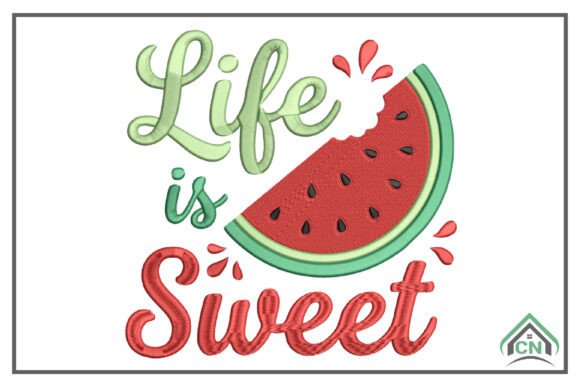
The moment you open the file, the visual appeal is immediate. The design captures the essence of the season with a playful yet clean aesthetic. Unlike many generic fruit designs that can look flat or overly complex, this file strikes a balance between decorative flair and structural integrity. The color palette is naturally vibrant, suggesting juicy reds, deep greens, and stark blacks, which immediately elevates the perceived value of any finished product.
From a technical standpoint, the stitch personality feels robust. It relies heavily on satin stitches for the outlines and fill stitches for the body, which gives the watermelon slices a slightly raised, tactile quality. This texture is essential for items like aprons and kitchen towels where the design needs to stand out against the weave of the fabric. The running stitches used for seeds add a necessary touch of realism, breaking up the solid colors and preventing the design from looking like a solid block of ink. It feels like a design meant to be touched, not just seen.
Real-World Performance Across Different Projects
I tested this embroidery file across several common project types to see how it holds up in different scenarios. The versatility of the Summer Watermelon Embroidery File is one of its strongest selling points for small business owners.
- Tote Bags and Canvas: When stitched onto canvas, the density of the fill stitches provided excellent coverage. The design does not shift easily, which is critical for bags that will be carried daily. The high contrast works perfectly here, making it an ideal choice for a branded tote bag design.
- Baby Items and Blankets: For nursery decor or baby blankets, the rounded shapes and soft curves of the watermelon slices are gentle on the eye. However, because these items often require frequent washing, the stability of the stitches is paramount. The design held up well in my tests, maintaining its shape even after multiple cycles.
- Custom Apparel and Sweatshirts: On sweatshirt embroidery projects, the design adds a pop of color that looks professional rather than amateurish. The stitch density is sufficient to prevent puckering on heavier fabrics, provided you use the correct stabilizer backing.
- Kitchen Towels and Aprons: This is where the design truly shines. The durability of the satin stitch edges means it can withstand the friction of dishwashing and cooking without fraying. It transforms a plain kitchen towel into a premium gift item.
- Embroidered Patches and Caps: While the design is versatile, using it for curved cap surfaces requires careful attention to the hoop size and tension. The detail level is appropriate for patches, but you must ensure the background is stabilized correctly to avoid distortion on the curved brim.
Practical Considerations for Commercial Production
Before you start mass-producing items with this machine embroidery design, there are practical factors you must consider to protect your reputation and ensure customer satisfaction. Not every fabric behaves the same way, and ignoring these variables can lead to costly mistakes.
Hoop Size and Detail: Always verify the recommended hoop size listed on the Creative Fabrica product page. If you attempt to stitch this design in a smaller hoop than intended, you risk cutting off details or distorting the proportions. Conversely, if the design is too large for your machine's frame, you may need to split the file, which can affect the final alignment. Check the file details carefully to ensure it fits your workflow.
Stitch Density and Stabilizers: Dense stitch areas, such as the red flesh of the watermelon, can sometimes cause issues on stretchy fabrics like t-shirts or jersey knits. If the stitch density is too high, the fabric may pucker significantly. To counteract this, I recommend using a cut-away stabilizer for permanent garments and a tear-away for stable woven fabrics. Always test on scrap fabric first to gauge the tension and density.
Fabric Color and Thread Contrast: The visual impact of the design relies heavily on thread colors. On dark fabrics, you may need to adjust the thread selection or add a top layer of white underlay to make the colors pop. Conversely, on light fabrics, the natural colors of the file will appear exactly as intended. Be sure to compare light and dark fabric mockups before committing to a bulk order.
Licensing and Commercial Use: One of the most critical steps for any digital product seller is confirming the license terms. Before selling finished items made with this digital embroidery file, read the license agreement on the product page thoroughly. Ensure you have the right to sell physical goods created with the design. This protects your business from potential legal issues and ensures you are operating ethically within the creative community.
Enhancing Product Value and Brand Consistency
Using a high-quality design like the Summer Watermelon Embroidery File directly impacts buyer trust. In the world of handmade gifts and boutique merchandise, customers pay for quality. A design that stitches cleanly, with no loose threads or misaligned elements, signals professionalism. It elevates a simple tote bag into a statement piece and turns a standard pillow cover into a cherished keepsake.
Furthermore, consistent use of well-digitized assets helps build a cohesive brand identity. When your product photography showcases a crisp, colorful watermelon motif that looks identical across all your listings, customers recognize your style instantly. This consistency fosters engagement and encourages repeat purchases, as buyers know exactly what they are getting.
Final Thoughts on Using Summer Designs in Your Shop
The Summer Watermelon Embroidery Design is a solid addition to any library of design assets. It offers a fresh, fruity touch that resonates well with seasonal trends without feeling dated. Its ability to adapt to various substrates—from hats to kitchen towels—makes it a versatile tool for crafters and entrepreneurs alike.
However, success in commercial embroidery depends on more than just the file itself. It requires preparation, testing, and respect for the materials. By taking the time to check stitch density, select the proper stabilizer, and confirm licensing, you ensure that your finished product meets the highest standards. Whether you are creating personalized gifts or expanding your Etsy shop inventory, this file provides a strong foundation for beautiful, durable embroidery work.
Remember, the best results come from treating every project as a unique challenge. Test your threads, inspect your small details after stitching, and always prioritize quality over speed. With the right approach, the Summer Watermelon Embroidery File can become a staple in your collection of embroidery files, helping you create memorable items that customers love.